UNESCO and Japans Rewriting of History
 Advertisement
In the next week, the Quadrilateral Security Dialogue or Quad, comprising the United States, India, Japan, and Australia, will face its first test. Unexpectedly, it will come at the UNESCO World Heritage Committee. The focus will be on Japan, not China, and the result will reveal how cohesive the idea of shared, universal values is for this multilateral coalition. As things stand, Japan is a willful outlier.
The Committee is reviewing several sites in Japan, previously designated as World Heritage sites, that were the scene of war crimes in World War II. Americans, Australians, and Indians were among the thousands of Allied prisoners of war (POWs) brought to Japan during the war. They became slave laborers in various private mines, chemical factories, and steel mills, and on docks critical to Imperial Japan’s war effort.
These very mines, foundries, and wharves were selected by Japan to represent its “Meiji Industrial Revolution: Iron and Steel, Shipbuilding and Coal Mining.†The Japanese, however, left out any mention of this forced labor and abuse, which was the substance of the hundreds of war crimes trials throughout the postwar Pacific.
UNESCO approved the designations in 2015 but conditioned the designations on a promise to provide a “full history†of these sites. Yet, six years later, Japan has not fulfilled this promise. Japan’s forced colonial workers from Korea are given slight mention, although Japan refuses to admit they were unwilling or unhappy. The POWs, which included soldiers, civilians, and mariners from Ireland, Egypt, Norway, Argentina, Jamaica, Portugal, Italy, and Arabia are unmentioned in any official publications, whether at the particular sites or at the Tokyo Industrial Heritage Information Center, which was opened in March 2020.
On July 12, 2021, a UNESCO draft decision noted that Japan still had to improve its interpretive strategy. Measures are still necessary to “allow an understanding of a large number of Koreans and others†who were forced or slave laborers. Even UNESCO identifies POWs only as “others.â€
To satisfy UNESCO, Japan must acknowledge that five of the UNESCO industrial heritage sites â€" Hagi, Kamaishi, Miike, Nagasaki, and Yawata â€" held 26 POW camps during the war and provided more than 13,000 POW slave laborers from over 16 countries to Japan’s industrial giants, including Mitsui, Mitsubishi, Sumitomo, and Nippon Steel.
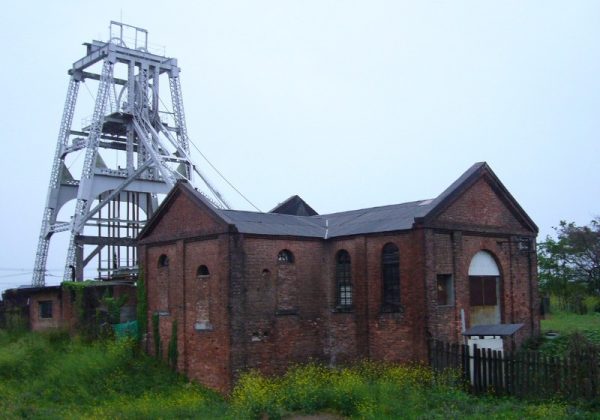
The Miike Coal Mine warrants particular attention. The mine, owned by the Mitsui conglomerate, was Japan’s largest. Nearly 2,000 Allied POWs suffered capricious brutality and starvation in deadly and primitive conditions. Hundreds died. American POWs were so desperate for a respite from the coal pits that they traded their meager rice bowls for someone to break their arms or legs.
Diplomat BriefWeekly NewsletterNGet briefed on the story of the week, and developing stories to watch across the Asia-Pacific.
Get the NewsletterKamaishi’s industrial area is also illustrative of missing war history. The site was the first to be bombed by U.S. Navy warships off Japan’s unguarded coastline. The iron works at this site, still owned by Nippon Steel, were among Japan’s largest. On July 14, 1945, more than 40 American, Dutch, New Zealand, and British POWs as well as hundreds of Japanese were killed in the bombardment.
AdvertisementNippon Steel’s Yawata’s steel works was Japan’s most important armament manufacturer. The workforce was primarily composed of POWs who endured intense manual labor shoveling iron ore and tending the furnaces. Yawata was the primary target for the second atomic bomb. Cloud cover from aerial bombing on August 8, 1945, shifted the mission to Nagasaki, close to the Miike Coal Mine.
Japan’s unstated history of Allied slave labor at its UNESCO sites is part of a larger trend of the government’s rewriting history. The narratives presented at Japan’s industrial heritage sites also diminish the use of Korean forced labor and Chinese slave labor. This all dovetails with the ruling Liberal Democratic Party’s quest to retell Japan’s story in an uncritical, more glorious manner. So important was the UNESCO heritage designation to the former Abe administration that one cabinet adviser had the sole job of shepherding the application through UNESCO.
Highlighting the effort to annul history was last August’s 75th anniversary memorial address for the end of World War II. Prime Minister Abe Shinzo, unlike his predecessors, did not mention, “learning from history†or having “remorse.†Instead, he said “we will never forget that the peace and prosperity we enjoy today was built atop the precious sacrifices of the war dead.â€
This ahistorical take on Japan’s disastrous war is not a reassurance to UNESCO that Japan will correct the histories of its industrial heritage sites. Nor does it comfort the Quad allies that their shared history will not be recognized and reflected upon. Upholding historical facts is a value of democracy now being undermined by Japan as rapidly as in authoritarian China or Hungary. Japan’s defiance of UNESCO’s recommendations to explain the “full history†of its cultural properties shows how fragile the Quad’s so-called unifying principles are.
0 Response to "UNESCO and Japans Rewriting of History"
Post a Comment